
Roofing · Windows · Doors
Built right.
Transparent, clearly communicated pricing and process.
Roofing, windows and doors for Colorado homes.

Roofs. Windows. Doors.That’s it.
Three trades, done properly, instead of ten done fast.
The engineering behind your exterior.
Every detail below is there for a reason — to keep water, wind, and Colorado weather out of your home. Every one is also a weak point if it’s done wrong. Here’s what to watch for.
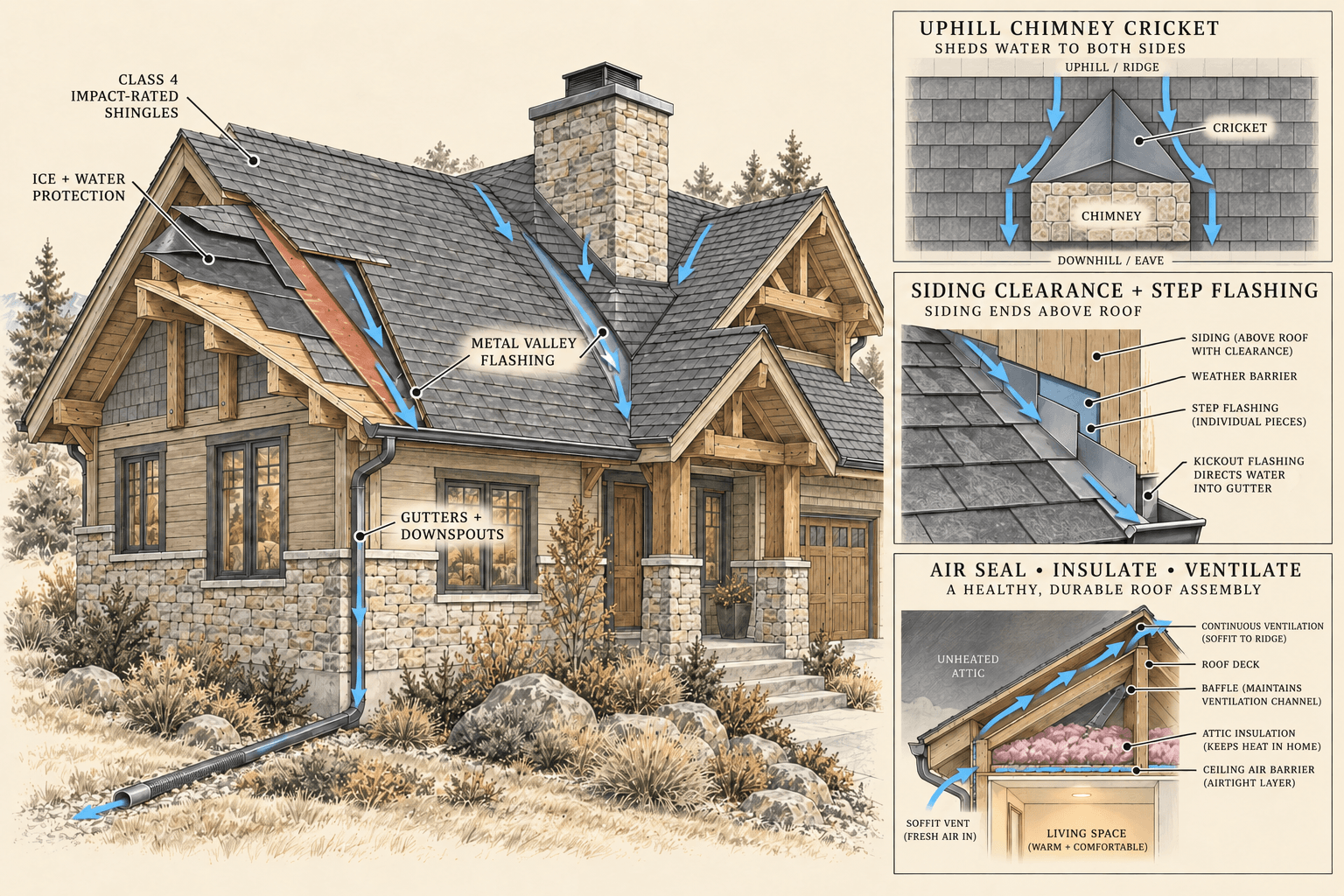
● Tap a number to see each weak point and what to watch for
Weak point 1: Class 4 impact-rated shingles
Every course overlaps the one below, so rain always lands on top of the next shingle. Class 4 is the highest rating in the standard hail-impact test.
Watch for:
- Dents or bruises after a hailstorm
- Shingle granules piling up in gutters
- Cracked, curled or missing shingles
If it fails: Damaged shingles stop shedding water cleanly, and the layers underneath end up doing a job they were never meant to do alone.
Weak point 2: Ice & water protection
A self-sealing membrane under the shingles at the roof's most vulnerable spots. It stops water that ice dams or wind push sideways or uphill.
Watch for:
- Thick ice ridges and icicles along the eaves
- Water stains on ceilings near outside walls
If it fails: Meltwater backs up under the shingles and drips into the attic, then into ceilings and walls.
Weak point 3: Metal valley flashing
Where two roof slopes meet, their water combines into one channel. A metal liner carries that concentrated flow down to the gutter.
Watch for:
- Leaves and debris collecting in the valley
- Worn or cracked shingles along the valley line
If it fails: Valleys are one of the most common leak points on any roof. Concentrated water works into seams and wears through shingles.
Weak point 4: Chimney cricket
A small peaked ridge on the uphill side of the chimney. Water splits and flows around both sides instead of pooling against it.
Watch for:
- Debris or standing water behind the chimney
- Stains on the ceiling or attic framing near the chimney
If it fails: Water, snow and debris dam up behind the chimney and sit there, a classic source of slow leaks and rotted decking.
Weak point 5: Step flashing + siding clearance
Where a roof meets a wall, L-shaped metal pieces are woven in with each row of shingles and tucked behind the weather barrier. Siding stops short of the roof.
Watch for:
- Siding that touches or sits on the roof
- Stains on inside walls below a roof-to-wall joint
If it fails: Water slips into the joint and runs down inside the wall, often unseen until the rot shows.
Weak point 6: Kickout flashing
A small bent piece of metal at the bottom of a roof-to-wall joint that kicks water out into the gutter instead of down the wall.
Watch for:
- Streaks, stains or soft siding on the wall just below where a roof edge meets it
- No kickout at that spot at all, which is common on older homes
If it fails: Every storm sends a stream of water down the wall behind the siding, right where you can't see it.
Weak point 7: Gutters + downspouts
Gutters catch everything the roof sheds. Downspouts and extensions carry it well away from the foundation.
Watch for:
- Gutters overflowing in heavy rain
- Downspouts that empty right at the foundation
- Eroded soil, or a damp basement after storms
If it fails: Water soaks the soil against the foundation, rots fascia and finds its way into basements.
Weak point 8: Air seal · insulate · ventilate
A sealed ceiling keeps warm, moist air out of the attic, insulation keeps heat in the home, and air flowing from soffit to ridge keeps the attic cold and dry.
Watch for:
- Ice dams in winter
- Frost, dark staining or mold on the underside of the roof deck
- Upstairs rooms that are much hotter than the rest of the house
If it fails: A warm attic melts roof snow that refreezes at the eaves, and trapped moisture rots the roof deck from below.
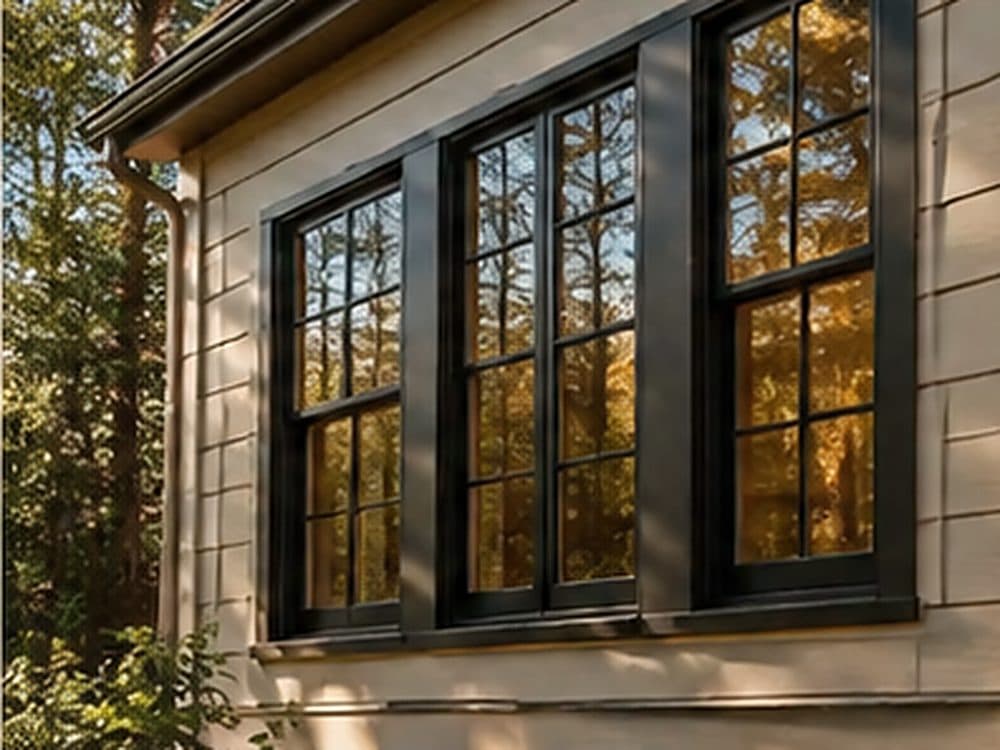
Weak point 9: Replacement windows
We install new windows inside your existing frames. We inspect the old frame first, then seal and insulate the new window to it.
Watch for:
- Drafts around closed windows
- Fog or condensation between the panes
- Soft or rotted wood at the sill, or stains below the window
If it fails: Gaps around a poorly sealed window leak heated air all winter and let water into the wall below.
The cheap quote isn’t cheaper.
There’s always a way to lower the price. The question is what gets cut, and whether anyone tells you. We will.
Quote A
The low bid
Quote B
Black Bear
Flashing
Old flashing reused
Flashing
New flashing
Ice & water protection
Cut to the minimum
Ice & water protection
Included
Kickout flashing
Skipped
Kickout flashing
Recommended
Attic ventilation
Never checked
Attic ventilation
Balanced
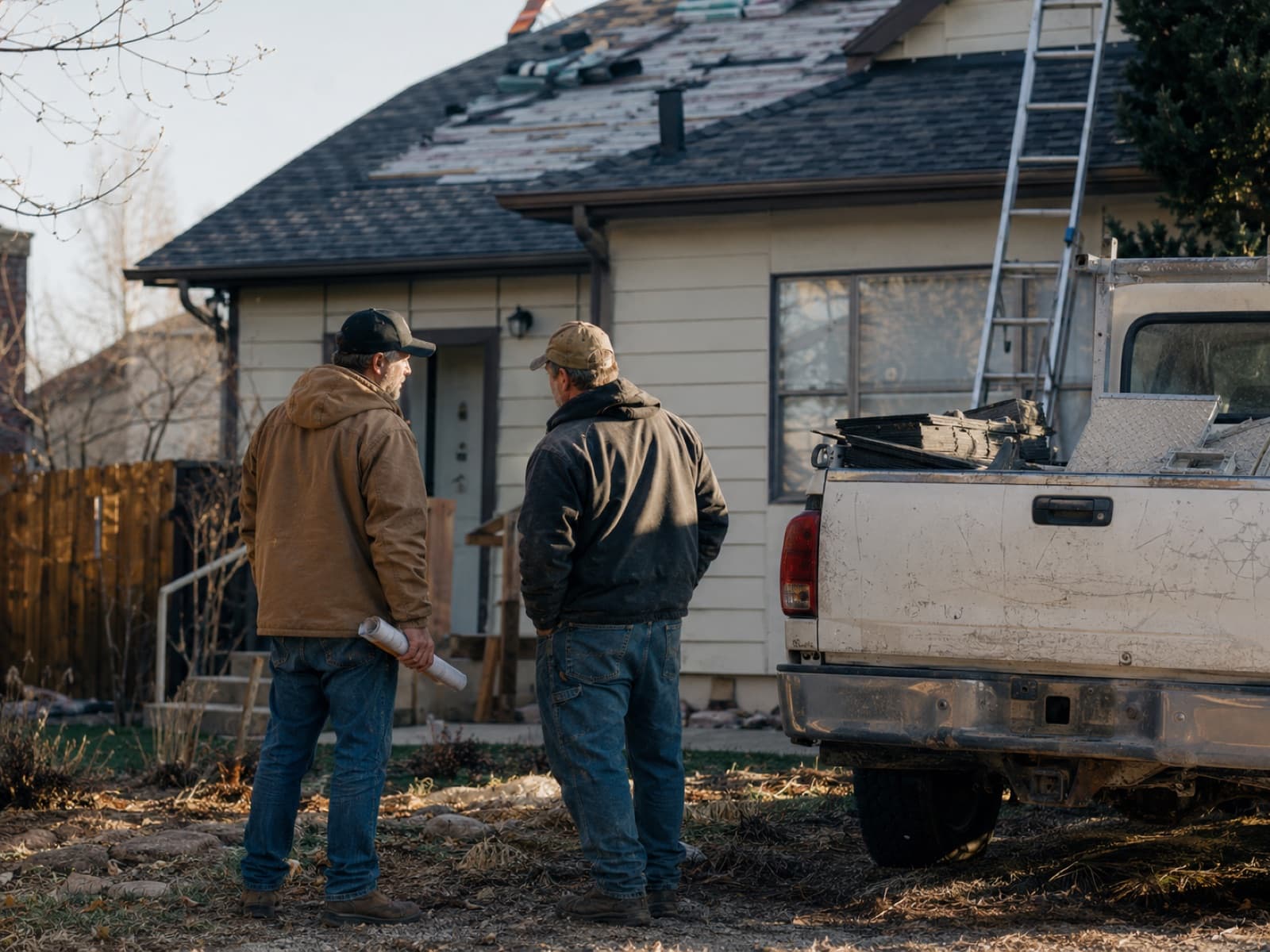
We started Black Bear to do this differently.
A lot of local contracting companies are being bought, combined and turned into sales organizations.
We want to remain a local company that does good work and stands behind it. That means honest answers, careful work and being available after the job is finished.
We’re not trying to be the biggest roofing company in Colorado. We want to be the one our customers are comfortable recommending to their neighbors.
How can we help?
Tell us what’s going on. Not every inspection needs to become a project, and we’ll tell you if yours doesn’t.
- Call or text
- (720) 583-3390
- Already know you want an estimate?
- Book a time →